Puducherry
A Sea of Two Colours
“Every town has two histories. Puducherry is the rare one that lets you walk the line between them.”
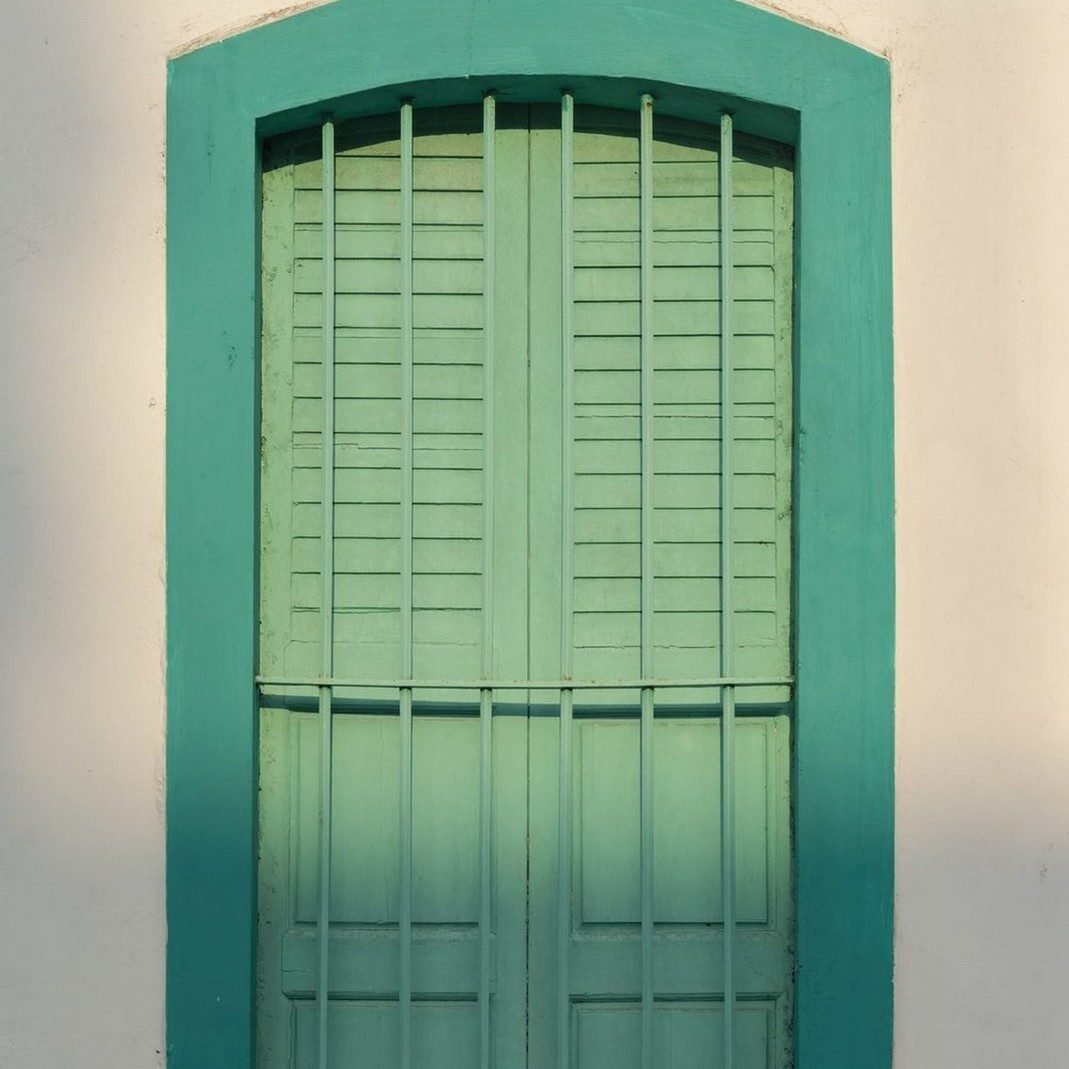
Photo: iMahesh / Wikimedia Commons (CC BY-SA 4.0)
The Rumour of France
The East Coast Road from Chennai to Puducherry is three hours of casuarina trees, salt pans and glimpses of the Bay of Bengal timing its waves to the bus, and for all three of them I quietly disbelieved my destination. A French town? On the Coromandel coast? I had grown up on a coastline of fishing harbours and cyclone shelters; the idea of policemen in red képis and streets named for French poets sounded like something a travel magazine had exaggerated once and everyone had politely agreed to repeat. Then the bus turned into town, crossed a canal, and the streets changed their minds. Grey-and-white walls. Shuttered windows. Bougainvillea conducting itself over garden gates. A signboard reading RUE SUFFREN with a Tamil translation underneath, both official, neither winning. The magazine, it turned out, had under-reported.
The canal was built to divide. Now it is the spine. Same water, different century.From the chapter
Two Towns, One Canal
Puducherry is built as a diagram of its own history. The French, who held this coast for nearly three hundred years (through wars that saw the town captured, razed and returned more than once) laid out a grid split by a canal: the Ville Blanche toward the sea, the Ville Noire inland. White Town, Tamil Town, the names have softened but the architecture kept the minutes of the meeting. Seaward: colonial villas with high ceilings, verandahs and that particular grey the French call gris perle, now housing cafés, consulates and the Sri Aurobindo Ashram. Landward: the Tamil quarter's own masterpiece style, houses with thinnai verandahs (raised platforms by the door where visitors, neighbours and afternoons are entertained) and courtyards open to the sky. The heritage walks now celebrate both, which took time; for years the postcard was only ever the French side. An architect I met sketching on Vysial Street put it precisely: 'The canal was built to divide. Now it is the spine. Same water, different century.'
The French departure here has a gentleness rare in the history of empires: in 1954, after India's independence, the residents of Puducherry voted, and the territory transferred to India, with the agreement that those who wished could keep French citizenship.
The chapter continues in the book…
- AnticipationThe Rumour of France
- ArrivalTwo Towns, One Canal
- ExplorationThe Promenade Hour
- DiscoveryThe Town of Dawn
- Traveller's NotebookPuducherry Essentials
- FarewellThe Line Worth Walking
Puducherry, from the road

Read Chapter 6 in full
The complete Puducherry chapter — with when to go, getting around, what things cost, what to eat and how to travel responsibly — is in 28 Shades of India.