Delhi
Eight Cities Deep
“Delhi is not a city with history. Delhi is history with a metro card.”
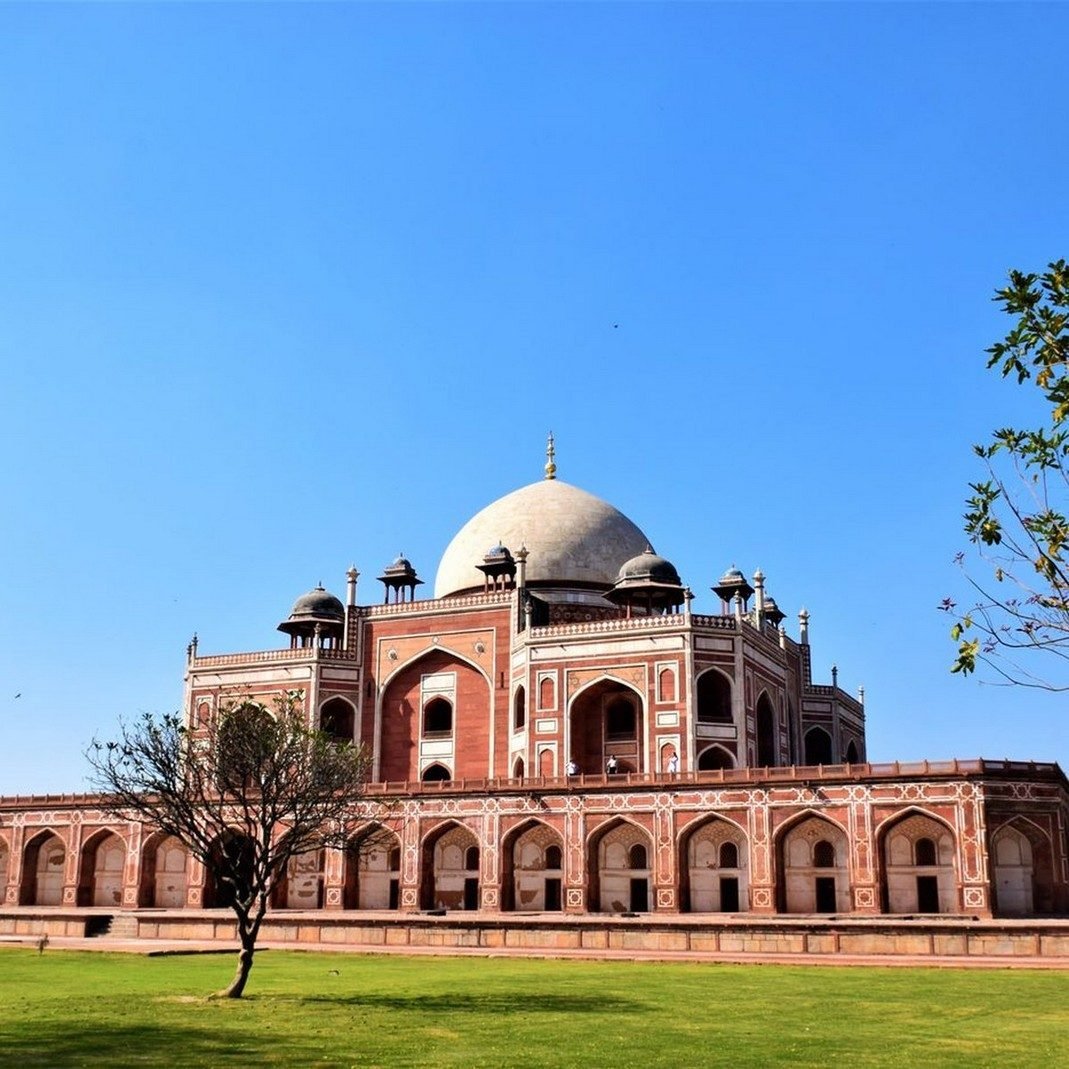
Photo: Sauban96 / Wikimedia Commons (CC BY-SA 4.0)
Arriving in the Argument
Every Indian has a Delhi opinion before they have a Delhi ticket, and the opinions do not agree. The capital, the crucible, the city of power and its weather; too aggressive, said the south; the only real city, said the north; ruined, said everyone, fondly, the way people describe a relative they will defend to outsiders. I came up from the plateau with months of India behind me and stepped out of New Delhi station into the full orchestra, porters, honking, a bridge of humanity over sixteen platforms, winter smog turning the morning sun into a coin you could look at directly, and felt something I had not expected: recognition. Every state I had crossed had sent people here. Delhi is where the country's journeys terminate and restart; the station board read like my own itinerary shuffled. A coolie balancing a trunk on his head paused long enough to issue the city's standard visa: 'Kahaan jaana hai?' Where do you want to go? In Delhi, I would learn, that is not a logistical question. It is the only question, and the city has been asking it of every arrival for a thousand years.
Kahaan jaana hai?' In Delhi, that is not a logistical question. It is the only question.From the chapter
The Cities Under the City
Delhi's secret is vertical. This is not one city but a stack of at least eight, each built by a new power beside or on top of the last, and the stack is still legible if you know where to stand. I gave my first days to the strata. In Mehrauli, the oldest layer: the Qutb Minar rising seventy-three metres in fluted red sandstone bands, begun in the 1190s as victory-in-masonry, its courtyard holding a still-older riddle, the Iron Pillar, sixteen centuries old and famously unrusted, metallurgists' pilgrimage and picnic backdrop at once. Around it, the Mehrauli Archaeological Park scatters seven hundred years of tombs, stepwells and mosques through a forest where teenagers rehearse dance videos among sultans. South and east, Tughlaqabad's cyclopean ruined ramparts run for kilometres, cursed, the story goes, by a saint whose words Delhiites still quote when the city misbehaves: ya rahe ujjar, ya base gujjar. And in Nizamuddin, the Mughal layer opens with
Humayun's Tomb: the first great garden-tomb of the dynasty, red sandstone and white marble in a charbagh of ordered paradise, built by a grieving widow a full century before her descendant answered it in white at Agra. Standing on its plinth at dawn, parakeets auditing the dome, I could see the Taj being rehearsed.
The chapter continues in the book…
- AnticipationArriving in the Argument
- ArrivalThe Cities Under the City
- ExplorationShahjahanabad, Still Serving
- DiscoveryThursday Night at the Dargah
- The TableThe Capital of Appetite
- Traveller's NotebookDelhi Essentials
- FarewellThe Ninth City
Delhi, from the road

Read Chapter 19 in full
The complete Delhi chapter — with when to go, getting around, what things cost, what to eat and how to travel responsibly — is in 28 Shades of India.