Bihar
Under the Bodhi Tree
“Bihar is where a man sat under a tree and refused to move until he understood — and where a university stood for eight hundred years teaching the world what he found.”
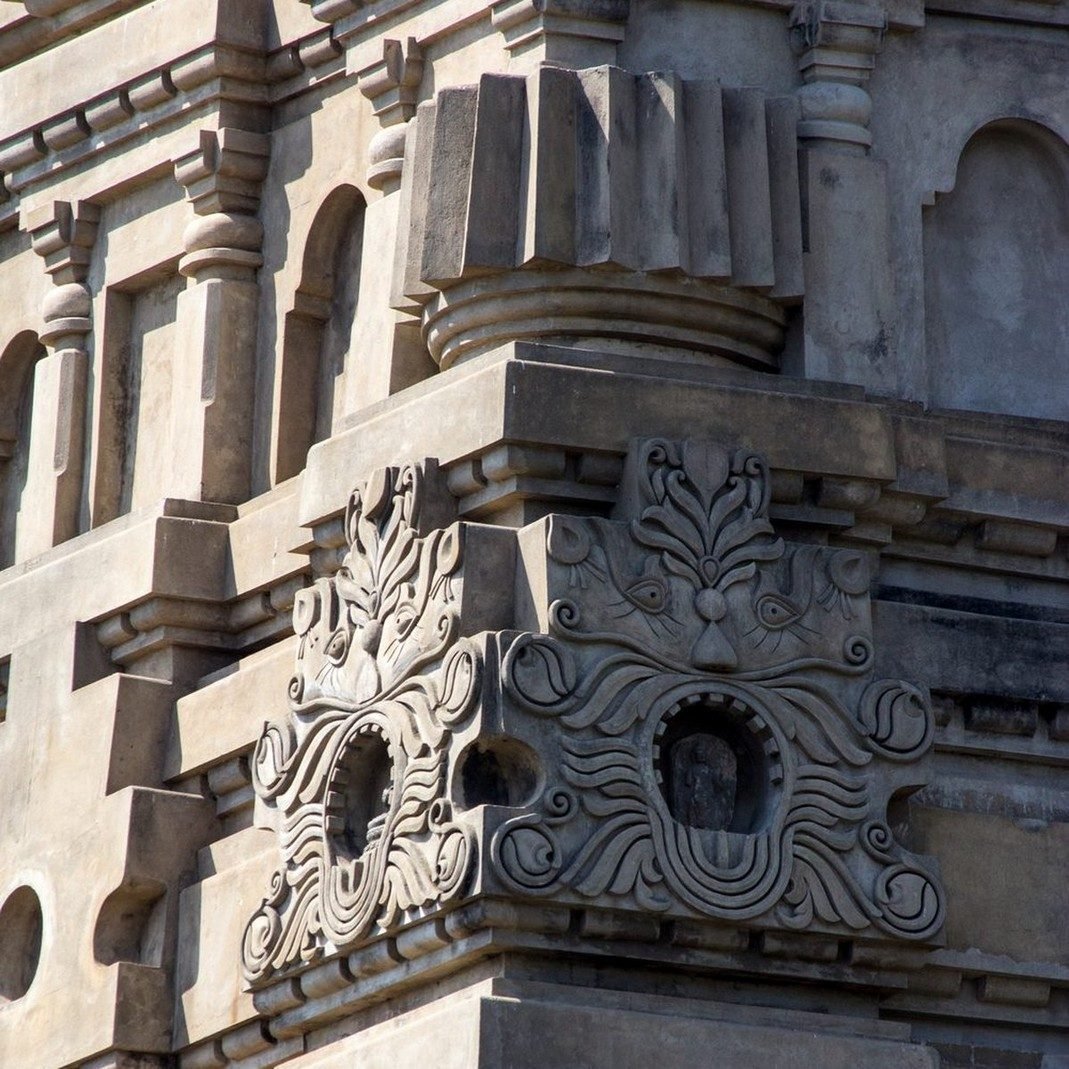
Photo: Andrew Moore / Wikimedia Commons (CC BY-SA 2.0)
The State Behind the Jokes
Bihar entered my journey carrying more prejudice than any state before it, and none of the prejudice was mine to be proud of. The jokes, the migration headlines, the exam-scandal news cycles. I had absorbed the whole national condescension without auditing it. What the condescension omits is a ledger of astonishing weight: this soil raised the world's first great republics (the Licchavi assemblies of Vaishali were debating and voting while Athens was still rehearsing); it produced the empire of Ashoka, whose capital Pataliputra, today's Patna, was among the largest cities on Earth; it hosted the university of Nalanda for eight centuries; it gave the world Buddhism and Jainism within a few dozen kilometres of each other; and it did all of this before most places had alphabets. I crossed from Uttar Pradesh with the Ganga still on my left and a plan to spend the week letting Bihar file its counter-affidavit. It filed early, and it filed under a tree.
A family of trees keeping a promise across twenty-three centuries and one ocean.From the chapter
The Tree
Bodh Gaya is a small dusty town organised entirely around one event that happened around two and a half millennia ago: a former prince named Siddhartha, after years of austerity had failed him, accepted a bowl of kheer from a village woman named Sujata, crossed the river, sat down under a peepal tree, and stayed until he understood. The Mahabodhi temple rises over the spot (its tower rebuilt and restored across centuries, a UNESCO site) but the temple is honest about its own status: the main object of veneration is not inside it. It is beside it. The Bodhi tree, vast and propped and flagged with prayer cloth, is a direct descendant of the original: a cutting of the first tree was carried to Sri Lanka by Ashoka's own daughter, the nun Sanghamitta, in the third century BCE; that tree still lives at Anuradhapura, the oldest documented planted tree on Earth; and when Bodh Gaya's tree needed renewing, a cutting came home from the daughter's tree. The lineage is botanical and it is also, if you stand there long enough, unbearably moving, a family of trees keeping a promise across twenty-three centuries and one ocean.
I sat at the tree's enclosure for most of two days, which is what one does in Bodh Gaya; the town's entire etiquette is built around not disturbing people who are working on the same problem the prince worked on.
The chapter continues in the book…
- AnticipationThe State Behind the Jokes
- ArrivalThe Tree
- ExplorationThe University and the Hill of Vultures
- DiscoveryThe Festival That Faces Both Suns
- The TableThe Roast, the Mash, and the Ghee
- FarewellThe Syllabus Survives
Bihar, from the road

Read Chapter 17 in full
The complete Bihar chapter — with when to go, getting around, what things cost, what to eat and how to travel responsibly — is in 28 Shades of India.