Chhattisgarh
Waterfalls and Whispered Histories
“Some states advertise. Chhattisgarh keeps its voice down and lets the waterfall do the talking.”
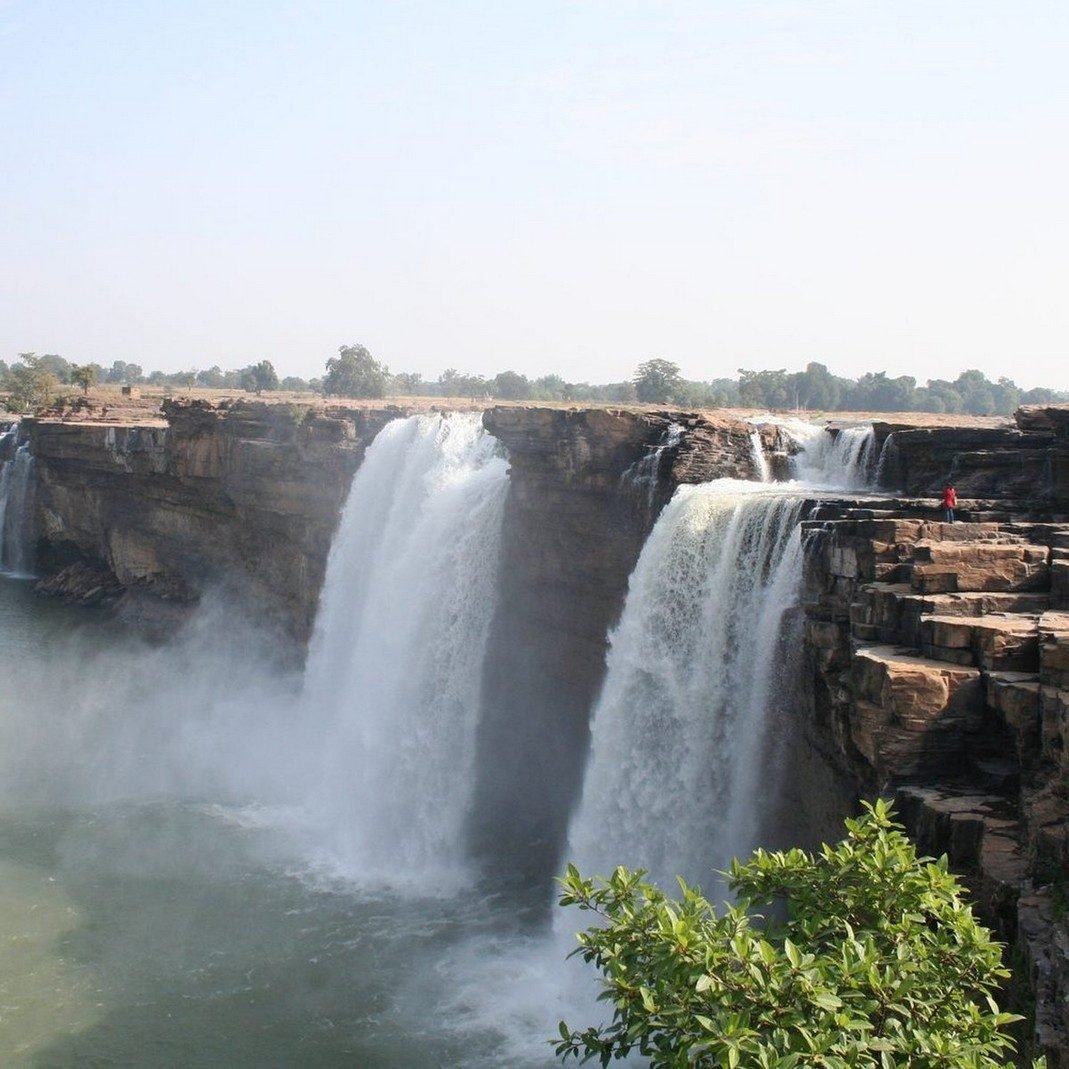
Photo: Gotul / Wikimedia Commons (CC BY-SA 4.0)
The State Nobody Recommended
Chhattisgarh was the first state on my route that nobody, not one person in months of travel, had recommended to me. Fellow travellers changed the subject; relatives sent cautionary forwards; even the man at the Raipur ticket counter, issuing my onward booking to Jagdalpur, looked up and asked, with genuine curiosity rather than alarm, 'Tourist?' The state carved out of Madhya Pradesh in 2000 carries a complicated reputation: decades of conflict in parts of its forested south have kept it off the itineraries, and its own considerable treasures, one of India's largest waterfalls, some of its oldest surviving temples, its deepest caves, and Adivasi cultures of extraordinary continuity, have waited, largely unphotographed, behind the headlines. I did what a careful traveller does rather than a fearless one: checked the current situation locally and officially, kept to the travelled corridors, hired local guides, and went. What I found deserves a longer queue than it gets.
If this was in another state, there would be a gate, a queue, a selfie point. Here, only corn.From the chapter
The Horseshoe
The overnight train from Raipur to Jagdalpur is itself a minor wonder (a line that switchbacks down the Eastern Ghats' forgotten northern reaches) and Jagdalpur, Bastar's easy-going capital, makes an honest base: a palace, a market, lakes with pedal boats, no hurry. But the region's headline is forty minutes west, where the Indravati river, running wide and brown with the late monsoon, reaches a lip of ancient rock and simply leaves. Chitrakote is often called India's Niagara, and for once the comparison undersells the original: a horseshoe of falling water up to three hundred metres broad in season, thundering thirty metres into a mist-filled amphitheatre, with a small Shiva shrine on the lip where a priest conducts his duties inside permanent spray, and this is the part Niagara cannot offer, almost nobody there. I stood at the viewpoint at sunset with perhaps thirty other people, most of them local families, while the falls turned copper and a rainbow assembled itself in the gorge, dismantled, and reassembled. A boy selling roasted corn summarised the economics without bitterness: 'If this was in another state, you could not stand here. There would be a gate, a queue, a selfie point.' He handed me the corn. 'Here, only corn.'
The chapter continues in the book…
- AnticipationThe State Nobody Recommended
- ArrivalThe Horseshoe
- ExplorationThe Underworld and the Oldest Bricks
- DiscoveryMarket Day
- The TableThe Rice Bowl's Quiet Kitchen
- FarewellThe Volume of a Place
Chhattisgarh, from the road

Read Chapter 15 in full
The complete Chhattisgarh chapter — with when to go, getting around, what things cost, what to eat and how to travel responsibly — is in 28 Shades of India.